9+ curated guides • Updated October 2025
Ever wonder why one faux-gold necklace tarnishes in a week while another fools even the most discerning eye? The secret isn't magic, it's metallurgy. We're moving beyond basic style tips to reveal the specific materials that give artificial jewellery its expensive-looking character, ensuring your next purchase elevates your style instead of cheapening it. As a buyer, I've seen countless pieces that either fall apart or become masterpieces of affordable luxury. The difference is always in the details—the science behind the shine. This guide is your new insider rulebook.
Ready to trade the open ocean for Europe's scenic rivers without leaving behind the modern luxury you love from Celebrity? Before you get lost searching for a ship that doesn't exist, let's uncover the insider's secret to finding a river cruise that truly matches that signature Celebrity vibe. Many loyal Celebrity fans make the logical leap: they love the onboard experience and want to replicate it on the Danube, Rhine, or Seine. The only hiccup? Celebrity Cruises, the master of the large, modern-luxury ocean vessel, doesn't operate its own river fleet. But don't despair. This isn't a dead end; it's a doorway to a new style of travel. As your guide, I'll help you translate what you love about Celebrity—the design, the dining, the service—into the intimate language of river cruising and pinpoint the lines that speak it fluently.
Most men's style guides treat the bandana as just another trend to master. They're wrong. The square of printed cotton in your pocket isn't an accessory; it's a piece of gear, with a history rooted in the grit of cowboys, mechanics, and laborers—not the glamor of runways. We're not here to talk about matching it with your outfit; we're here to talk about why its usefulness is what makes it truly stylish. This isn't about adornment; it's about preparedness. We're reframing the bandana not as a decorative flourish, but as the indispensable, functional tool it has always been.
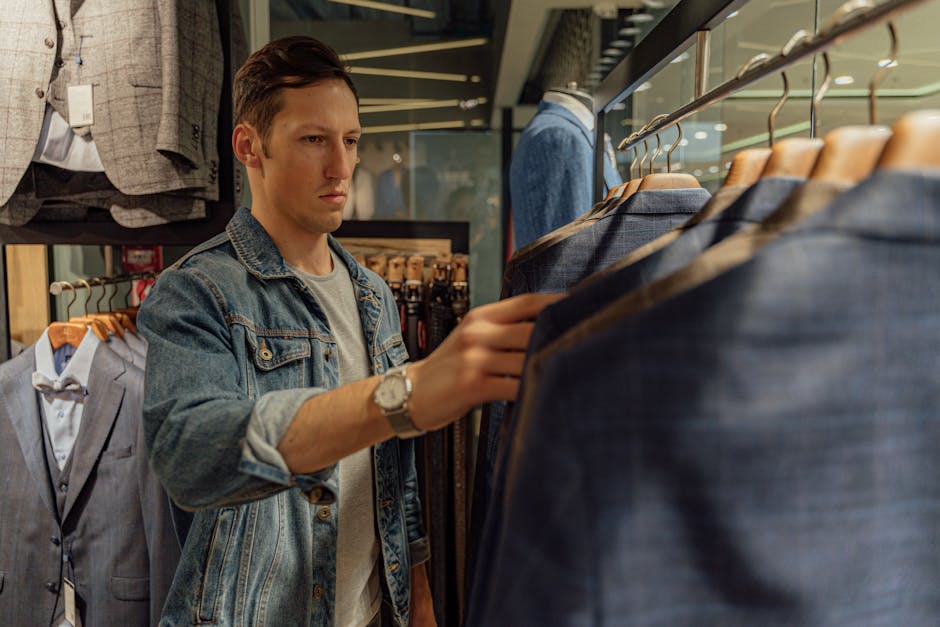
You see them coiled by the checkout counter or hung on a designated 'accessory wall,' seemingly as an afterthought. But the humble belt is the unsung hero of retail economics. This isn't just a guide to a functional accessory; it's an exposé on the most profitable square foot in the entire clothing store. For years, I was on the inside, a merchandiser who decided where every mannequin, every rack, and every tiny accessory would live. While everyone focused on the seasonal denim wall or the new shipment of sweaters, my colleagues and I knew the real money was being made elsewhere. It was in the simple, unassuming loop of leather or fabric designed to hold up your pants. We didn't just sell belts; we weaponized them for profit. This is the story of how that happens.
When we see a priceless diamond in a museum, we admire its beauty and monetary value. But what if its sparkle hides a shadow—a violent history of plunder that has never truly left the stone? Some treasures don't just get stolen; they carry the grudge of their theft forever. This isn't about superstition; it's about the indelible imprint of history on objects born of the earth. We will explore how these silent witnesses—gems ripped from their homes by conquest and bloodshed—continue to tell their violent stories through the fortunes of those who dare to possess them. Ownership, you see, is merely a fleeting claim. The history is eternal.
Most people book an Alaska cruise for the untamed wilderness: calving glaciers, breaching whales, and the raw spirit of the Last Frontier. But what happens when you view it all from behind the floor-to-ceiling windows of a floating luxury hotel, a craft cocktail in hand? We sailed on a Celebrity cruise not just to review the ship, but to answer a bigger question: does modern luxury enhance the wild, or does it keep the real Alaska at a comfortable, sanitized distance? This isn't a question of comfort versus hardship, but of connection versus observation. We travel to feel something new, to be changed by a place. My journey through the Inside Passage was a study in that tension—a constant negotiation between the call of the wild outside and the siren song of the perfectly climate-controlled, impeccably serviced world within.
We scroll through celebrity Halloween photos for a quick laugh or dose of inspiration, dismissing them as frivolous fun. But behind the prosthetics and designer labels lies a calculated strategy; these costumes are one of the most powerful, low-risk tools a star has for a public rebrand, a career announcement, or a subtle clapback. While we're dissecting the accuracy of a superhero suit, their PR team is tracking engagement metrics on a soft-launched persona. Halloween, for the modern celebrity, isn't a holiday; it's an annual, high-visibility focus group disguised in glitter and latex. It’s where brand narratives are subtly rewritten, one viral photo at a time.
For decades, the celebrity transformation story was a sacred Hollywood text: grueling two-a-days at the gym, chicken and broccoli on repeat, and a trainer-turned-guru preaching the gospel of 'hard work.' But a quiet revolution is underway, one that happens not in a SoulCycle class, but in a doctor's office. This isn't just about a new weight-loss drug; it's about the death of a myth, as Ozempic systematically erases the lucrative 'earned body' narrative that has defined celebrity culture for a generation. The carefully constructed performance of physical achievement—a story sold in tabloids, on morning shows, and through branded fitness apps—is being rendered obsolete by a weekly injection. The curtain is being pulled back, not to reveal a wizard, but a prescription pad, and the entire ecosystem built on the illusion of meritocratic beauty is starting to crumble.
You see a TV marked 50% off and feel a jolt of victory. But was that TV ever sold at its 'full' price? We tracked the prices of last year's most popular Black Friday items for 365 days to uncover the truth behind the discounts. Prepare to rethink everything you know about holiday 'savings'. For years, retailers have conditioned us to believe that the day after Thanksgiving is a golden opportunity for unparalleled bargains. They paint a picture of fiscal responsibility, where waiting patiently all year pays off in massive discounts. As a data analyst and consumer advocate, my job is to look past the marketing gloss and into the raw numbers. Our year-long investigation confirms a startling reality: Black Friday is less a day of deals and more a masterclass in psychological manipulation, built on a foundation of manufactured urgency and misleading data. This report will not show you where to find the deals; it will arm you with the knowledge to see them for what they truly are.